Melt value first
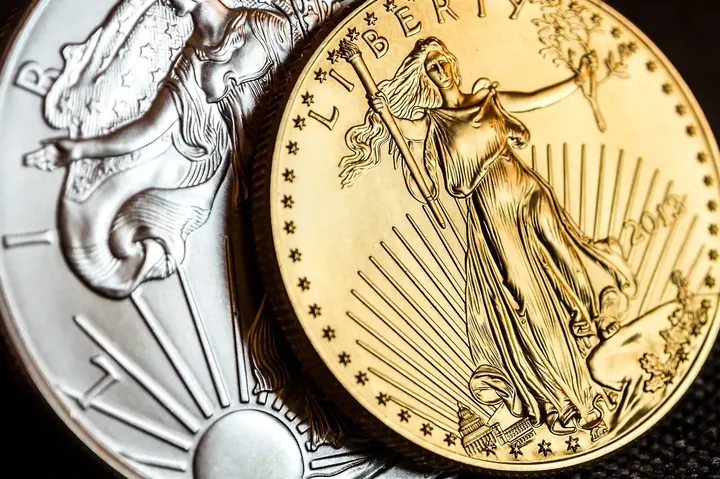
Every gold coin has a melt value: its pure gold content times the spot price. A one-ounce Gold Eagle holds one troy ounce. An old $20 gold piece from before 1933 carries just under an ounce, about 0.9675. A tenth-ounce Eagle holds a tenth.
Bullion coins
Gold Eagles, Buffalos, Krugerrands and Maple Leafs are made in huge numbers and trade close to melt. A buyer pays a share of spot, and you should be able to see that share in writing.
Pre-1933 U.S. gold
No new pre-1933 coins will ever be made, and many were melted after 1933. That fixed supply and steady collector demand give even common dates a premium over melt.
Rare dates and high grades
Some coins had tiny mintages or survive in few high-grade examples. Those sell for multiples of melt.
- Carson City gold of any denomination
- Early New Orleans and Dahlonega gold
- Low mintage double eagle dates
- Uncirculated coins with original luster
Should I send gold coins for grading before selling?
Only scarce coins in good condition benefit. We will tell you if a coin is a candidate.
Do premiums change?
Yes. They rise and fall with collector demand and the gold market.
Selling? See Gold coins.