- Home
- What we buy
- Inherited collections
Selling an inherited coin collection in Plano
When a parent leaves coins, gold or old money behind, we go through every piece with the family and put it in writing.
Get a free written offer
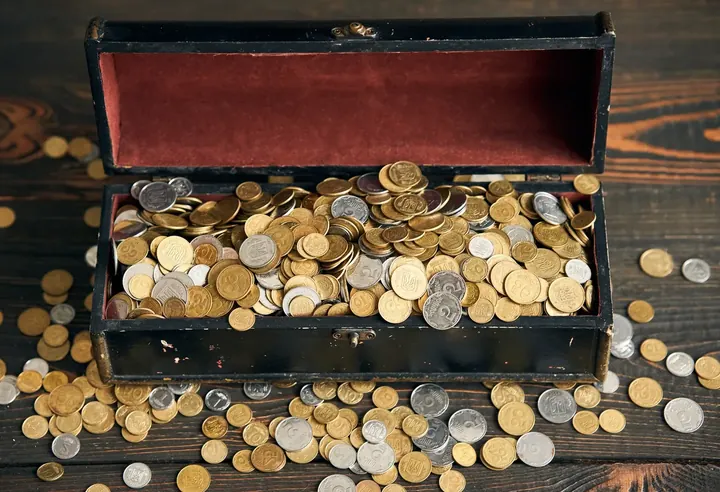
What turns up in Collin County estates
- Coin albums and folders
- Silver dollars in drawers and bags
- Rolls and jars of silver change
- Gold coins from home safes
- Proof sets from the Mint
- Old paper money
- Gold jewelry and watches
- Sterling flatware
How we price an estate
We go lot by lot. Metal is bought on weight and fineness. Coins and notes collectors want are graded and priced on current sales. Modern clad change is counted at face.
The written offer lists every item or group, so siblings and executors can review the same numbers from wherever they live.
Estates in Collin County
Collin County estates come in two kinds. Older farm families around Plano, Allen and McKinney often hold silver dollars, gold coins and coins from the early 1900s. Newer households often hold collections a parent brought from another state, plus bullion bought in recent years.
We handle both, and we can work with an executor or attorney if the estate requires it.
First steps
Coins can wait. They will not lose value sitting in a closet for a few more weeks. When the family is ready, gather everything into one place and leave coins in their albums, rolls and envelopes.
Check the closets, the garage, any safe and any bank box. Texas homes often have a gun safe or a closet safe, and both tend to hold more than guns.
- Keep coins together and out of the garage heat
- Leave coins in their holders
- Save receipts, lists and envelopes
- Agree on keepsakes before the appointment
Old paper money
Paper money shows up in many estates: silver certificates, red seal notes, large size bills from before 1929 and Texas national bank notes. Some carry real collector value. Do not flatten, tape or clean old bills. Bring them as they were found.
Working with executors
Estates often involve family in several states and an executor or attorney. The itemized offer lists every item with a description, weight or grade and our price. We can email it to whoever needs it, and nobody has to decide on the spot.
When an auction is the better route
Most estates sell well to a local buyer. Occasionally an estate holds a coin or note rare enough for a national auction house. If we see one, we tell you, and we can still buy everything else.
Paying the estate
We pay whoever the estate paperwork names: the executor, the estate account or a family member. Smaller sales are paid in cash. Larger ones go by wire the same day, with a receipt listing every item.
Collections from another state
Many Plano estates include a collection a parent built somewhere else: an album from Ohio, a box of silver dollars from Kansas, gold coins from a bank box in Illinois. Sometimes they arrive in the mail after a funeral. Open the box, leave everything in it and bring it in. We sort it with you and explain what each piece is.
Before the estate sale
Get in touch before an estate sale company or a cleanout crew goes through the house. Coins and old bills are easy to miss or underprice in a tag sale, and a jar of dimes can hold silver worth far more than face.
Questions
Can you send the offer to the executor?
Yes. Tell us who needs a copy and we will email it.
Can we keep some coins?
Yes. Set aside what the family is keeping, and we will price the rest.
How long does an estate visit take?
Usually one to two hours. Very large estates may take a second visit.
Find out what your coins and gold are worth
Book a free, private appraisal anywhere in Collin County. You see each piece tested and weighed, and you take the offer home on paper.